
Cryptocurrency prices are determined by market dynamics — the continuous negotiation between buyers and sellers on exchanges worldwide. Unlike equities, which can be valued using earnings, revenue, and cash flows, most cryptocurrencies lack traditional fundamental metrics. This makes them particularly susceptible to sentiment-driven price movements.
Several factors systematically influence crypto prices. Macroeconomic conditions matter significantly: during periods of low interest rates and high liquidity (2020–2021), speculative assets including crypto outperformed. When the Federal Reserve began aggressive rate hikes in 2022, crypto entered a severe bear market alongside other risk assets. Bitcoin's correlation with the Nasdaq has strengthened as institutional participation has grown.
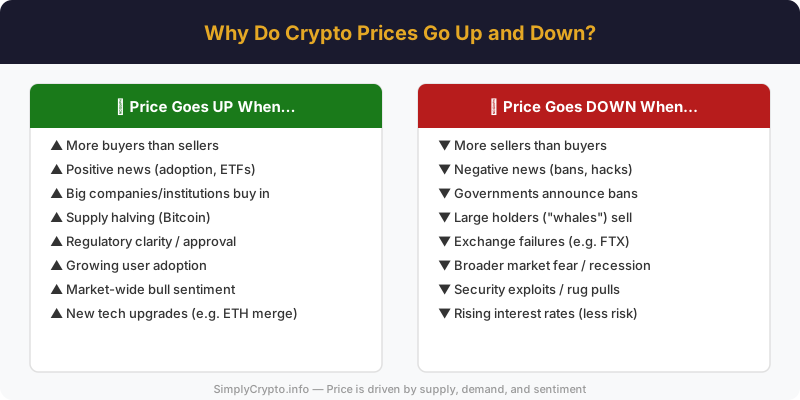
Supply mechanics are uniquely transparent in crypto. Bitcoin's four-year halving cycle reduces miner issuance and has historically preceded bull markets, though causality and timing remain debated. Token unlocks — large scheduled releases of previously locked tokens to early investors or team members — can create significant sell pressure for altcoins.
Market cycles in crypto have historically followed a pattern: accumulation (slow, quiet buying after a bear market), uptrend (rising prices attract mainstream attention), euphoria (parabolic gains, maximum retail participation, FOMO-driven buying), and distribution/decline (early investors exit, prices fall sharply). Bitcoin's four-year halving cycle loosely anchors these phases, though each cycle differs. Recognising where in a cycle the market might be — without claiming to time it precisely — is a useful mental framework for managing position sizing and expectations.